

8 Fall Foods for Healthier Skin as the Season Changes
The arrival of cooler weather means that you might not have to worry as much about sweat-induced pimples. However, that fact doesn’t mean your skin is home-free. For many, the transition between warm and cold weather brings other skin issues. Fall is the perfect time to prepare for winter’s dry skin challenges. One way to prep your skin for the coming cold is through your diet. Though the eight fall foods for healthier skin we list in this post aren't all harvested in the fall, they all share a combination of soothing antioxidants, nourishing healthy fats, and lots of science backing their skin-health benefits during this transitional time of year.
Here are eight fall foods for healthier skin as the season changes:
1. Pumpkin
 The onset of Fall brings pumpkin spice everything. While the sugary "pumpkin spice" flavors leave much to be desired in terms of nutrition, science supports that pumpkin itself is very skin-healthy. The “meat” is high in antioxidants like vitamin A or C that help fight oxidative stress and prevent free radicals from causing cellular damage and death.
Pumpkin, and other types of squash, is useful topically to treat dry skin, too. Mix a teaspoon of raw honey, a teaspoon of raw apple cider vinegar, and two teaspoons of pureed pumpkin and slather the substance on your skin. The honey adds extra antimicrobial, humectant, and enzymatic goodness to help you glow. For added emollient protection, add 1/2 teaspoon of pumpkin seed oil to the mix.
2. Berries
Another fabulous food source of antioxidants for healthier skin as the season changes comes from berries. These tiny wonders contain high levels of anthocyanins, a type of antioxidant that gives fruits and vegetables their deep blue and purple hues.
Sprinkle some blueberries into your morning cereal, toss some organic frozen berries into a smoothie, or add some dried ones to your salad. If you have a sweet tooth, a bowl of berries with a dollop of stevia-sweetened cream makes a delicious dessert.
3. Seafood
 Fatty fish, such as salmon, mackerel, herring, anchovies, and sardines are chock-full of nutrients designed to make your skin glow. It’s as if Mother Nature hid her beauty cream in the ocean. You’ll get a heaping serving of omega-3 fatty acids and vitamin E to keep your complexion supple and silky.
Vitamin E is a potent antioxidant for your skin’s cells. Some people slather it on before going to bed and let it absorb overnight — see if this trick helps you ease red spots and soften fine wrinkles. Likewise, omega-3s keep skin supple and protect it from UV rays. Some research suggests omega-3s can even help reduce the prevalence of acne.
4. Nuts and Seeds
What if you want the health benefits of omega-3 fatty acids, but you follow a vegetarian or vegan diet? You can still reap the perks of this nutrient by adding chia, flax, sunflower, and pumpkin seeds to your diet. They’re a snap to sprinkle in salads and soup, adding texture without impacting the overall flavor much.
Another benefit of sprinkling your salad with pepitas or opting for almonds over salty chips is that you enjoy a healthy dose of highly bioavailable zinc. This nutrient works as an anti-inflammatory and may help to ease the redness associated with acne. Altering your diet might work better than creams if you have combination skin and have to use care not to let topical products stray into the wrong zone.
5. Avocados
 They might not look like it, but avocados are a type of berry. Did you know that? They also have unique health benefits for your skin, so don’t put that guac away simply because summer salsa season is drawing to a close.
Avocados also work well when applied topically as well, because they’re rich in oils that moisturize your complexion. You can rub the raw fruit directly on your skin, leaving it on for a few minutes before rinsing or mix it with Greek yogurt and raw honey for extra oomph. You can also try cleansing or moisturizing with cold pressed avocado oil.
6. Peppers, Hot and Mild
If you think of salsa as a summer treat only, please change your mindset. The spicy stuff can help you sweat toxins out of your skin. You’ll also get a rosy glow from a bit of picante sauce in your diet.
Peppers contain tons of antioxidants to prevent oxidative stress on your skin. For example, a single red bell pepper contains three times the vitamin C than an orange does.
7. Extra Virgin Olive Oil
Olive oil has tons of heart-healthy benefits, but it’s also beneficial for your skin, as any smooth skinned Italian nonna will tell you. If you aren’t acne-prone, you can use it as an oil cleanser or moisturizer. Simply add a few drops to your fingertips and rub them into dry areas — like your elbows.
Olive oil works best on low heat or at room temperature--you should not cook with it at medium or high temperatures. In your diet, find ways to add it to salads, as a dip (with fresh herbs, salt, and pepper) for sourdough bread, on popcorn instead of butter, or as a finishing touch on your stir fry or bowl dishes.
8. Herbal Tea
 Many herbal teas also contain high antioxidant levels. These substances keep redness at bay and prevent oxidative stress from killing excess skin cells and leaving them to accumulate, creating an ashy appearance.
Chamomile is an excellent choice because it contains quercetin. This antioxidant may prevent some of the itchiness that often occurs with dry winter skin.
Which of these fall foods for healthier skin are your favorites?
The seasonal changes mean switching up your skincare routine. Try these eight fall foods for a healthier glow as the weather cools, and tell us your favorite in the comments below! For more seasonal skincare advice, sign up for our Integrative Guide to Healthy Skin.
About the author:
 Mia Barnes is the Managing Editor of Body+Mind and an online writer on all things beauty and wellness. Her favorite topics to cover include sustainable skincare and nutrition.


The Importance of Healthy Lymph for Glowing Skin
The skin is the largest organ in the human body, and it's also one of its most important. It protects us from environmental factors that can damage our bodies or cause illness, while at the same time providing a barrier against moisture loss. But what you may not know about your skin is that it doesn't work alone. Underneath the surface, the lymphatic system works closely with the circulatory system to filter out toxins and fluid buildup before they can do any real damage to your organs or other tissues. If there are problems with either of these systems, such as inflammation or clogging due to excess fluids, then this will show up on your skin first! Today, we explore the connection between healthy lymph and healthy skin.
What is lymph?
 Lymph is the fluid that flows through the lymphatic system, a sophisticated network of tissue and organs made up of lymph nodes, lymph vessels, and lymph. The lymphatic system is designed to maintain a healthy immune system, protecting against infection and disease by absorbing and metabolizing waste.
The lymphatic system also acts as our body's primary drainage system, helping to deliver nutrients and filter out damaged proteins, water, waste products, and other cellular debris. It does this by transporting the toxins away from the tissues and into the bloodstream, where they are purified by the spleen, the largest lymphatic tissue in the body.
It's important to note that the lymphatic system is seldom an isolated actor; rather it works in tandem with other organs and systems such as the circulatory system, kidneys, and liver to help clear and remove waste.
Why should we care about lymph?
The connection between healthy lymph and healthy skin is significant. Lymphatic drainage encourages the circulation of lymph in the subcutaneous tissue (the layer of fat--or adipose tissue--just below the dermis). When toxins and waste beneath the skin are frequently and adequately drained, it's easier for the body to expel them.
However, a slow or stagnant system can create “clogging” and trap the toxins within the body and, in turn, can trigger inflammation. Acute inflammation can cause dull, puffy, and tired-looking skin. If the congestion is left unaddressed, acute inflammation will turn into chronic inflammation, which may cause unwanted skin conditions like:
- Acne
- Eczema or psoriasis
- Loss of elasticity
- Premature aging
- Skin dryness and flaking
 And a host of internal health disturbances like:
- Brain fog
- Digestive issues
- Sinus infections
- Constipation
- Allergies
- Food sensitivities
- Increased colds and flu
Get moving!
Unlike blood circulation, which moves because of the heart’s pumping action, lymphatic drainage is a passive system- it relies on our muscles and joints to get it moving.
Exercise is the most efficient way to keep the lymph in motion. Regular muscle contraction excites the movement of our lymphatic fluid.
The most stimulating exercise for the lymphatic system is jumping on a mini-trampoline. Rebounding on a mini-trampoline may appear to be high-impact but is considered to be low-impact plyometrics. Regular yoga practice is also great to keep healthy lymph flowing.
Integrative therapies to support healthy lymph:
Lymphatic Massage
Because the lymphatic system relies on the movement of muscles to transport fluid through the lymph vessels, massage is a great way to assist in this process.
Acupuncture
Acupuncture is an effective East Asian Medicine practice treatment that uses thin needles in strategic points on the body that may help stimulate healthy lymph flow and remove toxins.
Dry Body Brushing
Dry brushing has been an integral self-care staple of many ancient civilizations for more than one thousand years. Dry brushing your skin may help support detoxification by increasing blood circulation and promoting lymph drainage. Read more about dry brushing here.
Garshana
"Garshana" is an ancient Sanskrit word that translates to ‘friction by rubbing.’ With silk gloves, this Ayurvedic practice involves stimulating specific body areas that may facilitate the removal of toxins, support lymphatic flow, and revitalize all body systems.
Facial Gua Sha
 Gua Sha is an East Asian Medicine practice that translates to “scraping the pain away”. Traditionally performed on the body, new facial Gua Sha protocols have been adopted over recent years, and have become very popular among holistic aestheticians and in the wellness community alike.
Small, palm-sized tools carved from stones such as jade are gently stroked across the skin to increase lymphatic flow, increase blood circulation, and support collagen production.
Facial Ice Globes
Ice globes utilize the cold for something akin to a ‘cryo’ facial that may stimulate lymph and blood circulation, relieve sore facial muscles, decrease puffiness, and give a face “lifted” effect.
Purified Water
Drink half your body weight in ounces of water each day to further cleanse your system of toxins. For example, if you are 150 lbs., drink 75 ounces of water (can include herbal tea).
Pranayama Breathing
The pressure from deep, diaphragmatic breathing effectively moves the lymph into the blood before the liver detoxifies them.
Our bodies have three times more lymph than blood, so pranayama breathing many times during the day helps stimulates lymph and restores the body to a calm and peaceful state. We recommend starting with simple techniques such as Nadi Shodhana Pranayam, or 4-7-8 Breathing.
Laughter
There's something to the common phrase, "laughter is the best medicine!" Laughter contracts and expands the diaphragm and abdominal muscles that help push lymph through the vessels.
Herbal teas
Many herbs can be beneficial for the lymphatic system. Use the following herbs to prepare teas that promote lymph health (always consult with your healthcare provider or a trained herbalist first):
- Echinacea
- Astragalus
- Red Root
- Cleavers
- Goldenseal
- Dandelion
Foods that promote lymph flow
 The naturally occurring bioflavonoids and enzymes in raw fruits and vegetables help break down the overload of toxins in the body.
Nutrient-dense foods that promote a healthy lymphatic system include:
- Seeds: Chia, flax, sunflower, pumpkin, hemp
- Unrefined oils: Extra virgin olive oil and coconut oil
- Garlic, onions and spices like turmeric
- Nuts: Brazil, almonds, walnuts, cashews
- Cauliflower and other cruciferous vegetables
Whether raw cauliflower, laughter, ice globes, or any of the other above items are your thing, all have the ability to support the lymph--our body’s natural cleanser for clearer, healthier skin. Start with one or two that you know you can easily remember to do on a daily basis, and then add more as you get used to having them in your routine. Your skin--and overall health--will thank you!
Are you interested in learning more about how the internal organs and systems of the body affect the skin?
We teach this extensively in our accredited Certified Nutritional Aesthetics Practitioner® Training Program. Click HERE to learn more, download our syllabus, and enroll today.
About the author:
Today's post was written by Jules Annen, PhD. Learn more about Jules HERE.

Advisory Board Highlight: Jules Annen, PhD
We are so happy to welcome Jules Annen, PhD, to our Advisory Board! Jules Annen, PhD, is a Licensed Cosmetologist and a Board Certified Nutrition Coach and Natural Health Practitioner. With more than 30 years of salon and spa experience, Jules is a wealth of knowledge and inspiration, and we are thrilled to have her on board.
 She is the author of the Beauty in Balance book series with a complementing line of self-care products and supplements. She is a professional member of the National Association of Nutrition Professionals (NANP) and the American Association of Drugless Practitioners (AADP). Jules also holds additional certificates in Reiki, Herbal Medicine, Aromatherapy, Yoga, Sleep Science, and Trichology (hair loss).
As we do with all our Advisory Board members and Members on a Mission, we asked Jules to share why she wanted to be part of the Nutritional Aesthetics® Alliance:
The Nutritional Aesthetics Alliance:
What excites you the most about The Nutritional Aesthetics Alliance?
Jules Annen, PhD:
The Nutritional Aesthetics Alliance (NAA) is creating a new field of practice for our industry with an integrative approach to healthy skin, and I'm here for it! With so many people looking to optimize their health and well-being (and seeking out additional practitioners), the NAA's vision and mission is on point and on time.
The NAA:
How has Nutritional Aesthetics (integrating nutrition and lifestyle changes with skincare and self-care) impacted your practice and/or work?
Jules Annen:
Currently I coach clients on lifestyle habits for healthy skin such as sleep hygiene, plant-focused nutrition and supplementation, "lympha-cise", and integrative therapies such as cupping, gua sha, and guided meditation.
The NAA:
Complete the sentence: “For optimal skin health, I wish people would do more of ___________________, and less of ___________________.”
Jules Annen:
For optimal skin health, I wish people would do more detox rituals, and less negative self-talk.
Connect with Jules:
- Website: http://www.julesannen.com
- Facebook: https://www.facebook.com/wildemoonshop/
- Instagram: https://www.instagram.com/julesannen/
- LinkedIn: https://www.linkedin.com/in/julesannen
Join our Mission:
Learn more about NAA Membership HERE, and our Certified Nutritional Aesthetics Practitioner® Training Program HERE.

We want to hear from you!
How do you apply Nutritional Aesthetics® principles to your own work? Please share in the comments below!

Why Managing Anxiety is Key for Clear Skin
You can use all the best products, have the most thorough skincare routine and still get blemishes. Yep, that’s right. Pimples, dry, itchy skin and chronic conditions can still flare up, regardless of how well you treat your skin. Sometimes, these annoying and even painful imperfections are a result of diet, genetics, or environmental factors. However, if you’re unable to determine the cause, anxiety might have something to do with it.
How does anxiety affect your skin?
 Anxiety can do a number on your skin. The most obvious and immediate effects include lines from frowning or furrowing your brow. However, some people might also develop behavioral problems like excessive itching and skin picking, which can damage the skin and even cause infections. Breaking these habits often requires the help of a medical professional or psychiatrist.
Meanwhile, those with chronic skin conditions like psoriasis and eczema may experience disease flare-ups when dealing with high anxiety. These episodes can be incredibly debilitating and affect their self-esteem, which only causes more stress and anxiety.
Of course, most people are likely to experience more common symptoms like oily skin and acne when anxiety levels rise. That’s because anxiety and emotional distress trigger your body into releasing cortisol. This stress hormone delays healing and disrupts your skin’s natural barrier, leaving it more susceptible to bruises, wrinkles, pigmentation, dullness and other issues.
Cortisol also increases oil production, which can clog up your pores and cause pimples. While applying medicated cleansers and serums may help you heal quicker, managing your anxiety is a much more effective way to prevent future breakouts.
A vicious cycle
Today’s society would have you believe that you need flawless skin to be worthy of admiration — or thousands of Instagram followers. Only perfect faces end up on the cover of magazines, right? Well, not exactly. Now that everyone has access to face filters and editing tools, anyone can alter their body and remove blemishes. This only contributes to unrealistic expectations and impossible standards, which can leave you feeling inadequate and, quite frankly, a little ugly.
 Now, when you experience a breakout or flare-up, you’ll likely encounter even higher levels of anxiety because you don’t fit social media’s perfect mold of what you’re “supposed” to look like. As your stress levels rise, your symptoms may worsen and leave your skin in even worse condition. This vicious cycle will continue indefinitely until you let go of impossible expectations and fully embrace who you are, acne and all.
Of course, this is much easier said than done, so if you need help realigning your standards with reality, talk to a licensed therapist or other mental health professional. They’ll be able to pinpoint the root cause of your insecurities so you can work on letting them go. More importantly, they’ll help you find ways to manage your anxiety so you can finally fall in love with the skin you’re in.
3 ways to manage anxiety
Are you ready to kick your worries — and blemishes — to the curb? Minimize breakouts and banish flare-ups with these three tips for managing anxiety.
1. Break the cycle
You’ll probably feel less anxious if you aren’t so worried about your skin, and deleting social media can certainly help with that. Break the cycle and kiss fake beauty standards goodbye by signing off or logging out. Alternatively, you can unfollow anyone who makes you feel inadequate or frequently posts edited selfies. Replace those accounts with body-positive ones that encourage you to adopt positive self-talk and a healthier self-image.
2. Nourish your body
 Your diet plays an important role in how you feel and, if you have anxiety, there are a few foods you should avoid, including refined cereals, fried food and high-fat dairy products. These items can exacerbate your symptoms and even cause skin problems all by themselves. You might also consider giving up alcohol. While it may seem to reduce stress, the effects are temporary and, once they wear off, your anxiety will return with a vengeance.
3. Get your beauty sleep
Anxiety can make it difficult to fall and stay asleep. At the same time, getting less shuteye can lead to more breakouts and even mounting stress, which doesn’t do your skin or your anxiety any favors. Break the cycle by developing a nighttime routine that helps you wind down and fall asleep. Melatonin supplements and other natural sleep aids may also prove useful--be sure to consult with your healthcare professional about that. You should notice differences in your sleep and skin a few weeks after implementing these coping mechanisms.
When to find a professional
Sometimes, it’s impossible to manage anxiety on your own. In this case, it may be best to consult a licensed physician or therapist. They can prescribe medication or coping mechanisms that are specific to your particular skin conditions and mental health symptoms. These tools are your best bet for lowering stress levels and clearing up your skin.
What do you do if you suspect your client is struggling with anxiety?
It's not within the scope of practice for aestheticians, health coaches, nutritionists, or other skin wellness practitioners who are not licensed medical or mental health providers to diagnose or treat anxiety--or any other health condition. However, because many skin wellness practitioners create safe, intimate environments for their clients, many clients feel safe to express certain struggles during sessions. While this is generally a good thing, sometimes professional and scope of practice boundaries may become blurred if one party construes helpful advice as a professional recommendation.
If you feel that a conversation, or advice that you are being asked to provide is uncomfortable, inappropriate, or out of your scope--then it probably is. It's one thing to empathize with the client, and another to offer advice that might not be appropriate to offer. If you find yourself in this situation, you can change the subject, validate the client's concern by saying something like "it sounds like this is challenging for you--do you feel like you have enough support?" If the client says no, then it might be a good idea to refer them to a mental health professional.
In our professionally accredited Certified Nutritional Aesthetics Practitioner® (CNAP) Training Program, we address scope of practice situations that might come up like this, and educate you on how to safely handle them. We also teach you about the importance of establishing a strong referral network, and discuss how and when it is right to refer.
Learn more about the CNAP Training Program HERE.
 About the author:
Kara Reynolds is the founder and Editor-in-Chief of Momish Magazine, an inclusive parenting magazine filled with parenting hacks, advice and more to keep your beautiful family thriving.
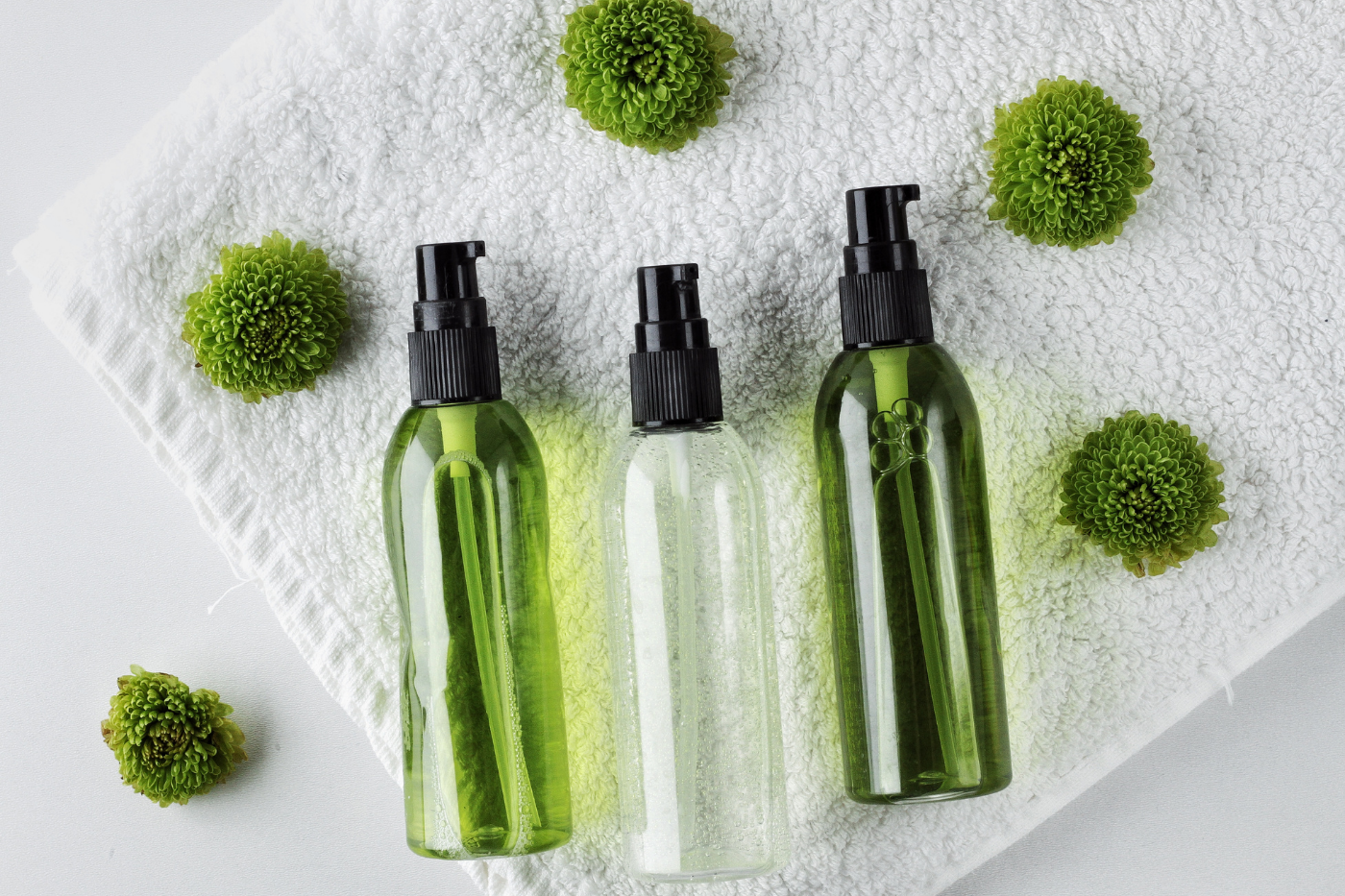
Minimalist Skincare: What, Why, and How to Do It
The beauty industry is booming. Statistics show that by the end of 2021, the global beauty market is expected to reach a market value of more than $805 billion. This staggering number is only going to grow in the coming years as more and more people are spending their money on cosmetics, skincare, hair care and other related products.
This industry growth is supported by more skincare professionals, influencers, beauty bloggers, and advertisements touting "benefits" elaborate, multi-step, and multi-product routines. But who does this really benefit? Hint: usually not the person using all the products, and definitely not the environment.
Do you know what else is booming, and not in a good way?
Skin, eye, and anaphylactic skin allergic reactions. A 2021 survey examined specific allergic reactions within the percentage of surveyed adults in the United States with allergies. Of the surveyed population, 67% reported allergic or irritant reactions of the eyes; 46% reported skin allergies specifically (rashes, hives, blistering, itching, swelling).
 There are many potential reasons for these high incidences of allergic reactions, including autoimmune disease, chronic illness, or low immune function; stress, and environmental factors. However, we cannot ignore the fact that many ingredients used in skincare products, color cosmetics, hair products, and other personal care products are known allergens. Specifically, concerns of heavy metals like lead and nickel, synthetic fragrance compounds, certain sunscreen ingredients, dyes and colorants, and certain preservatives (parabens, imidazolidinyl urea, Quaternium-15, DMDM hydantoin, phenoxyethanol, methylchloroisothiazolinone) have all been linked to skin allergies.
For these reasons, many aestheticians, dermatologists, herbalists, and other skin wellness practitioners now recommend a minimalist skincare approach. Today, guest author, Andrea Endres (host of the Skin Body Spirit Summit) delves into what minimalist skincare is, why it's a good idea, and how to get started.
What is minimalist skincare, really?
Minimalist skincare is supposed to be all about using fewer products with fewer ingredients, and less packaging.
But let's be honest: with all the beautiful and temptatious brands out there, our good intentions easily turn into bathroom shelves filled with "minimalist" products that target all kinds of meticulous skin issues. Yet, we still experience various skin concerns. It sounds contradictory but are too many minimalist products the cause?
The skin is a self sufficient organ. It knows what to do to function optimally, just like all your other organs do. Are we causing many of the skin problems we experience because we use skincare products?
Fifteen minimalist products are still a lot to process for the skin and maybe it simply needs a break. When was the last time we just let our skin be? When was the last time it went weeks without undergoing several steps and layers of targeted, so called minimalist products and actives?
Is our skin the problem or how we treat it?
Our skin is truly amazing at taking care of itself, but it is not given a fair chance to do so. We are very quick to add new products, even so called minimalist ones, boasting with irresistible claims specifically addressing that very particular issue at hand. The more we try to fix something, the more products we buy; and the less of a chance the skin has to function on its own.
 The biggest challenge is to wrap our heads around the fact that using less products overall can be very effective--and not to mention, the best environmental choice we can make. Adapting the mindset of less is more and having patience for, and trust in our skin’s various healing stages, is mostly a mental challenge rather than a purely skincare product challenge. Let’s be honest, we simply love shiny new objects and it feels way easier to hope the next product will fix what we may have caused ourselves by years of over-processing our skin.
A truly minimalist skincare approach
This very simple regimen gives the skin a chance to bounce back to it's unique status quo and lets us discover and experience it’s baseline. Give this very minimalist--or rather essentialist--skincare regimen a try:
- Deep cleanse: OCM (Oil Cleansing Method)
- Hydrate and balance the skin's pH with hydrosols
- Use a couple of drops of protective, nutrient rich cold pressed, organic plant oil
- And give yourself an intuitive and intentional facial massage
This almost sounds too easy, too affordable and too unspectacular, doesn't it?
But it will truly give the skin a chance to just re-balance itself and exercise its natural organ functions without counteracting irritations from products. During the time the skin has overcome some initial imbalances--usually one to two weeks--you will have learned to tune in, get to know your skin; and have patience, trust and compassion for this hardworking organ.
 Whatever concerns might still endure, you can then address with whole, high quality natural ingredients. You can even craft your own personalized natural skincare products that will support the skin, and strengthen its barrier and ecosystem. Think about it. This makes much more sense than constantly washing off and then replacing the skin's natural components, and trying to imitate its functions.
We cannot forget that a topical regimen is just a small part of the whole picture.
If we really want lasting results and vibrant, healthy skin, we also have to recognize the impact of our lifestyle choices. No skincare routine--minimalist or maximalist--can replace good sleep. No serum can hydrate as much as colorful and juicy fruits and vegetables. No minimalist skincare product can achieve what a balanced life can.
Want to learn how to support your clients with minimalist skincare?
If you are an aesthetician, health coach, or skin wellness practitioner, we can teach you how to help your clients integrate skin-healthy food and lifestyle choices into their busy lives. Our professionally accredited Certified Nutritional Aesthetics Practitioner® Training Program teaches you all you need to know to do that, while also staying within your scope of practice.
You can download our syllabus, learn more and enroll HERE.
About the author:
 Andrea Endres started her natural self-care journey in 2004 after attending one lecture that changed her life forever. She became a Holistic Skincare Therapist at Axelsons Institute, Scandinavia's oldest and largest school for complementary and alternative medicine under Lena Losciale, Sweden's pioneer of Professional Education and Expertise in Botany, Dermatology and Plant-based Skincare and holds two nutritionist certifications. She founded the Skin Body Spirit Summit where she connects holistic skin health and wellness experts with conscious women looking for individualized practices in skin, body and self care.
Andrea ran her own restaurant in Cambodia, is a Plant Based Chef and full-time traveler spreading the fascinating and empowering world of holistic skin health while passionately volunteering at a local nonprofit working towards sustainable tourism. Her mission is to help women to become confident in their skin, really owning their choices, their bodies, their worth. Natural and holistic skincare and nutrition were her doorstep to a journey of true empowerment and that is what she wants to pay forward.
*This post contains affiliate links.
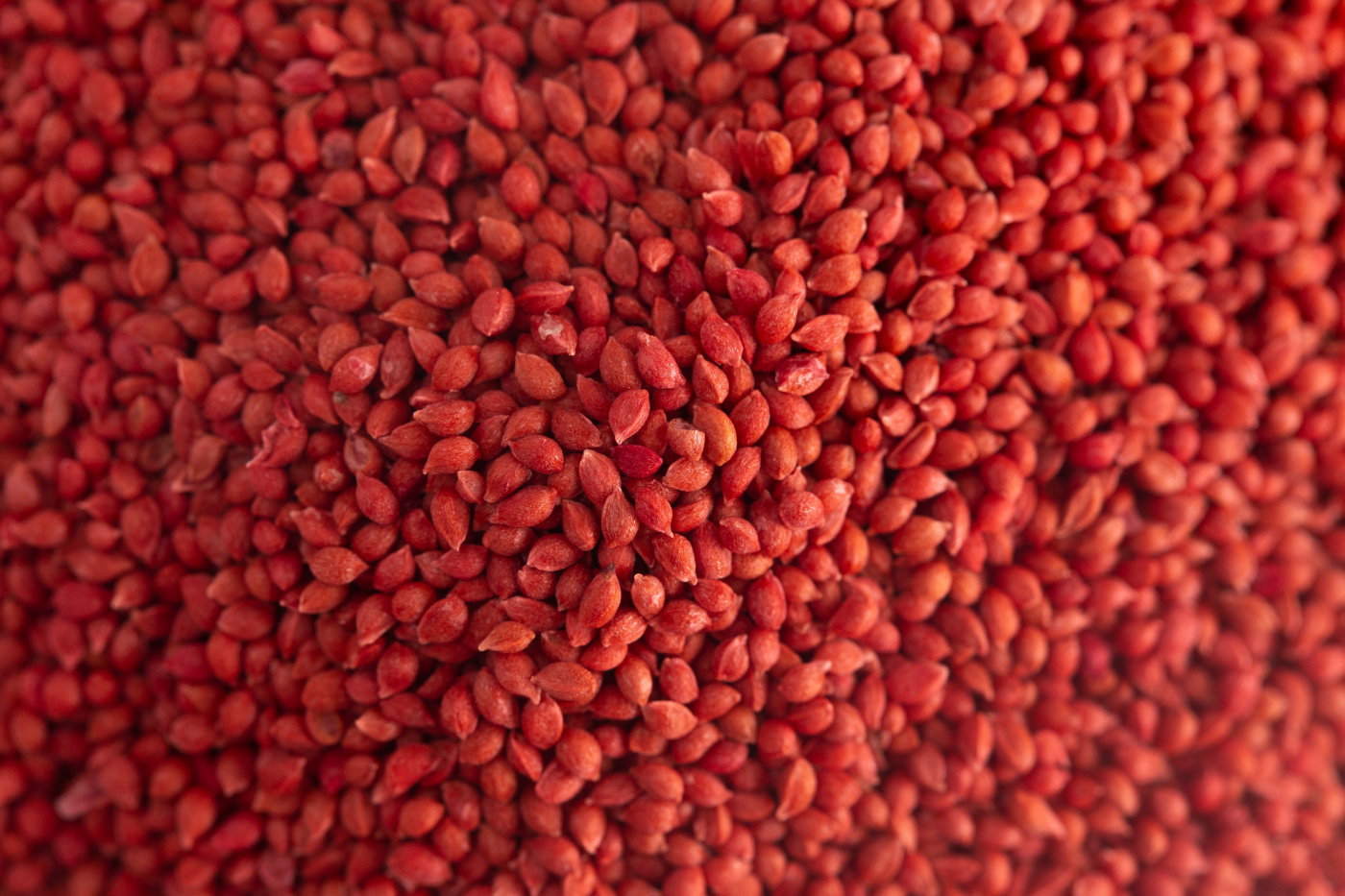
Carrier Oil Close-Up: Cranberry Seed Oil
Have you heard that having balanced omega 3, 6 and 9 fatty acids in your diet is beneficial for your overall health? Guess what? They are also beneficial for your skin. It is important to make sure your internal intake contains an appropriate ratio of all omegas due to their demonstrated benefits on health such as improved moods and reduced inflammation among other things. For smooth, resilient skin, It's not enough to get your omega fatty acids through food; you need them topically as well. The best way for this is though carrier oils that can penetrate the skin and deliver these micronutrients. While it's important to know that different carrier oils have slightly different compositions, we love cranberry seed oil for topical skincare, because of how balanced its own unique fatty acid profile is.
Why is it important to have the correct balance of Omegas-3, 6, and 9 in your skincare?
 For those who are curious why omega-3s (ex: alpha-Linolenic acid, Eicosapentaenoic acid) are essential for skin health: these fatty acids help reduce inflammation, and support skin elasticity. Omega-6 (gamma linoleic acid is the most common one) keeps nutrients flowing throughout cells, which is so important to support healthy skin function as we age. And finally, omega-9 helps to protect us against free radical damage caused by pollution and sun exposure. Omega-9 (most commonly oleic and erucic acids) also touts anti-inflammatory benefits.
When properly balanced in an oil like cranberry seed oil, these fatty acids promote a healthy inflammation response.
About skin inflammation:
While it's not the sole root cause of every skin concern, inflammation is at least partially linked to issues like acne, eczema, rosacea, psoriasis, and even premature skin aging. Some causes of skin inflammation itself have to do with internal factors like diet and stress, many are external such as pollution, sunburn, excessive cleansing, and harsh exfoliation.
Inflammation also has an adverse effect on the skin's barrier, which makes the skin more susceptible to sensitivity, irritation, flare-ups, breakouts, and hyperpigmentation. It is primarily a lipid barrier, comprised mainly of fatty acids.
Here's a little analogy from CNAP student Vicki Parra to help you explain the importance of barrier function to your clients:
 Think about a fence meant to keep nosy neighbors out. In order to have an effective fence, it needs to be continuous, with no holes or gaps. Your skin is like that too. Its various cells arrange themselves in a way that their cell membranes essentially put up a “fence” to keep either allow or deny entrance into the body. In order for this "skin barrier fence" to function optimally, it can't have gaps.
If your cell membranes are lacking (this is typically due to poor diet, dehydration, stress), that means your skin barrier isn't as strong as it should be. There may be gaps or weakness in the membrane. While we need to improve cellular growth and function from the inside out with food, we can also help fortify our cells on the surface by applying balanced carrier oils like cranberry seed oil.
More about the skin benefits of cranberry seed oil:
Cranberry seed oil is pressed from the seeds of the Vaccinium macrocarpon fruit. It is a mildly-scented oil, with a golden to greenish-gold color, and is known as the only carrier oil with the correct ratio of Omegas 3, 6, and 9. In addition to the above mentioned benefits, this also means that cranberry seed oil absorbs quickly and moisturizes efficiently for most skin types.
Cranberry seed oil is also rich in organic acids such as benzoic acid and ursolic acid, which add to its anti-inflammatory benefits. It's also rich with polyphenols--including Pro-Vitamin A carotenoid antioxidants (the specific group of antioxidants that convert to retinol)--phytosterols, Vitamin E (both tocopherols and tocotrienols), and Vitamin K.
Fun fact about cranberry seed oil:
 Cranberry seed oil is considered a "newer" carrier oil. "Previously, cranberry seeds were treated as the leftovers of cranberry fruit production, but in 1992, Bernard Lager developed a method to cold-press the oil from the tiny seeds of the tart berries. It takes approximately 31 pounds of cranberries to produce one half ounce of cranberry seed oil."
Are you interested in learning more about how micronutrients like fatty acids affect the skin's function?
We teach about topics like these, and MUCH MORE, extensively in our professionally accredited Certified Nutritional Aesthetics Practitioner® Training Program! Click HERE to learn more and start your journey to becoming a CNAP today!
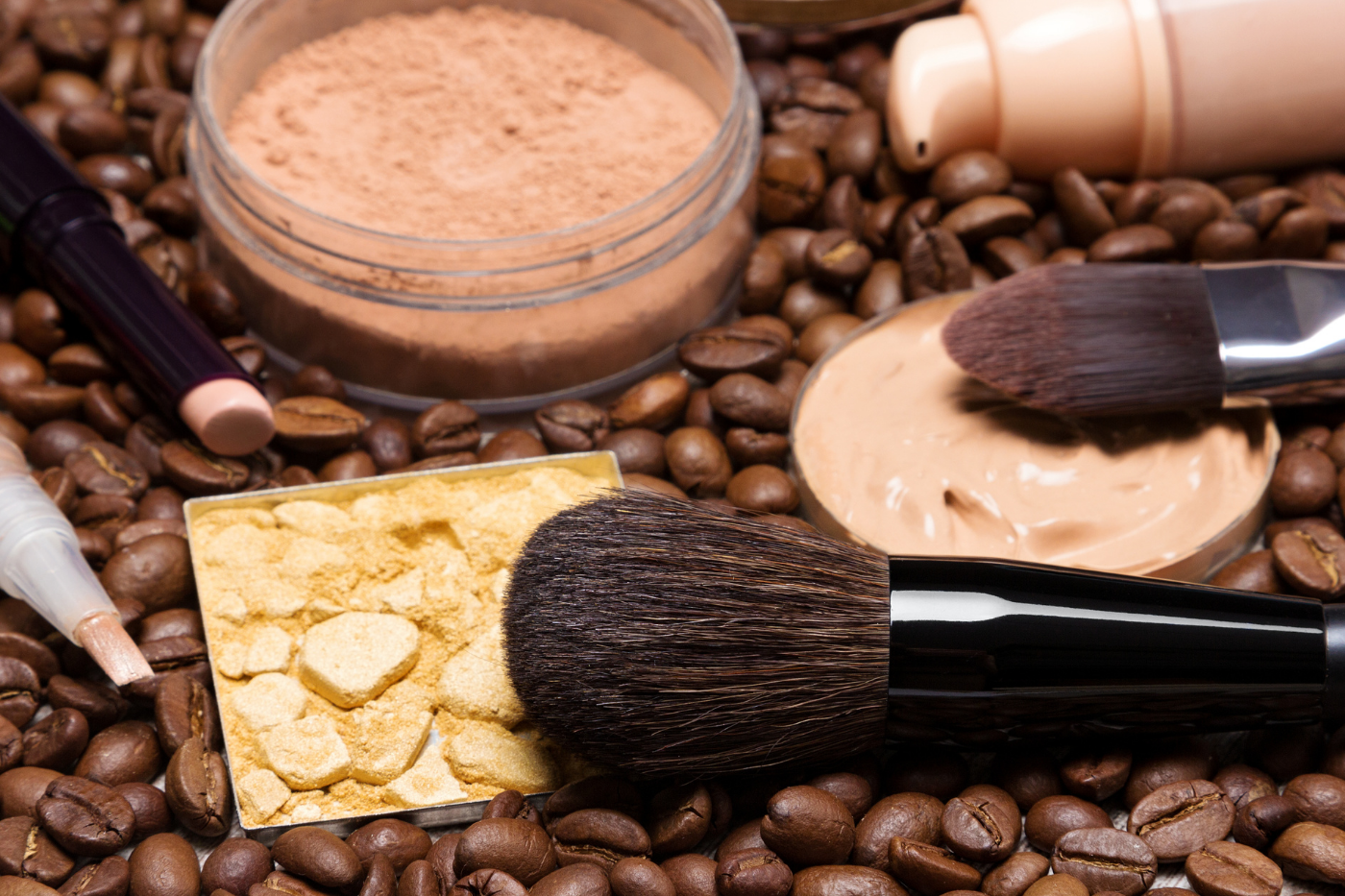
5 Summer Makeup Do’s and Don’ts
Summer is upon us and that can mean many things. Aestheticians and other skin wellness practitioners know that it’s not a time to neglect beauty routines and makeup care. Summer comes with its own beauty considerations that your clients might not be aware of! If you read our last article, “9 Essential Summer Skincare Tips,” you’ll know that summer skincare is still a priority. Along with skincare, which is the base for healthy and glowing skin, summer makeup needs can also change due to humidity, more sunshine, and a switch in your daily routine.
There are several factors to keep in mind to get the best out of your cosmetics. Before we take the plunge into our ‘do’s and don’ts’ of summer makeup, we want to address clean beauty. Everyday Health goes over a ‘comprehensive guide’ for clean beauty. They point out how “many ingredients used in [skincare] products may affect our health.” This is due to the fact that we “use about 10 personal-care products a day” which amounts “to 126 different ingredients.” Not only is it beneficial to recognize how many products we put on our faces every day, but also to choose products that don't cause health issues, but rather are good for your health.
Below are 5 summer makeup do’s and don’ts to give you and your clients the best results:
1. Don’t forget to wear sunscreen
 Many people are eager to enjoy longer and brighter days outside which is great for mental health, but it also means more risk of sunburns. It’s natural for skin to tan in the summer months, but tans actually indicate damaged skin. It can take less than half an hour “for UV rays to damage your skin,” even though “the effects may not be visible for up to 12 hours.” Properly applying and regularly reapplying sunscreen is vital, especially during the summer months when skin needs added protection. Damaged skin could become skin cancer over time.
Several cosmetic brands have foundations and powders with SPF protection built in, so that this type of makeup gives consumers extra coverage. It’s best to guide clients toward tinted moisturizers, foundations, and other products marketed as sunscreen products. However, be sure to remind your clients about the importance of re-applying sunscreen regularly for it to stay effective. One of the most common summer makeup mistakes is applying SPF sunscreen or powder just once, and thinking it's enough to protect you all day--it is not.
2. Do be careful with talc cosmetic products
Hot, humid weather leads to more sweat and and sebum production. Because of this, many people tend to pack on powders to cut down on the shine. The problem is that many powder-based products contain talc as an ingredient. Talcum produces that matte, powdery consistency that people love. However, in past testing of various products, like setting powders, eyeshadow and makeup palettes, researchers discovered asbestos in various talc cosmetics.
If makeup does have asbestos, it could lead to asbestos-related diseases, including cancer. This is one example of a type of hidden toxicant that could slip into makeup. Understanding how this happens and paying attention to what products clients and patients buy can reduce these risks. Read those labels!
3. Don’t wear mascara
 What we really mean is don’t wear just any mascara. As mentioned before, humid and sticky weather can ruin makeup, and it’s not always recommended to constantly wear pore-blocking and thickly applied layers.
Waterproof mascara can alleviate any fears of raccoon eyes--but it can be hard to find clean formulations. It’s part of switching to a lighter makeup that can prepare the skin for a lasting look. Two the cleaner waterproof mascara brands we like are Mineral Fusion Waterproof Mascara in Raven, and Ere Perez Avocado Waterproof Mascara.
4. Do try a light makeup look
Lighter makeup for summer works well. As with waterproof mascara, exchanging some heavier cosmetic products for ones that perform better in the summer is ideal. Tinted moisturizers can easily replace heavier foundations. For example, lip stains are preferred for hotter days over sticky lip glosses or thick lipsticks. The summer months are also a time to focus more on skincare. Clean beauty is one of the primary ways to start this.
5. Don’t be afraid to switch up your routine
It’s clear that clean beauty and summer provide a compelling reason to switch up makeup routines. Asbestos is not the only lingering concern in beauty. Other toxicants in conventional makeup lines could be a reason for a summer switch. Parabens, phthalates, synthetic fragrances, sulfates, triclosan, irritants, and potential carcinogens are all ingredients that could go undetected if we ignore beauty labels.
How to you switch up your summer makeup and skincare routine?
 Do you go for a more minimalist summer makeup look? How do you change your spa offerings for summer? Please tell us in the comments below!
*This post contains affiliate links.

7 Essential Summer Skincare Tips
For most of us, summer means more outdoor fun, sunbathing, parties, and free time. However, not everything about this season is that peachy. Your skin is the first to suffer because of high temperatures and sun exposure. It gets oilier, more prone to breakouts, rougher, dry, sweaty, and exposed to UV damage. To keep it in good shape, you need to adapt your skincare routine to summer conditions.
Here are some summer skincare tips that will help you not only to protect your skin, but also preserve a radiant, healthy glow.
Say yes to sunscreen
Many of people use sunscreen only when they plan to spend the entire day outdoors at the beach or the pool. Well, we have news for you! The sun is there even when you are walking with your friends or going to work.
The sun is at its prime between 10 AM and 4 PM, and even on a cloudy day, the UVA and UVB rays can reach our skin. Besides the risk of premature aging, there are a lot of serious health concerns linked to exposure to these elements. Skin cancer is the most frequent. In fact, studies have shown that 1 in 5 Americans develops skin cancer by the age of 70, and two Americans die of skin cancer every hour.
That’s why you need to apply sunscreen every day, whenever you go out, regardless of whether it’s hot and sunny or not. The sun protection factor (SPF) should be at least 30. Also, make sure to reapply your sunscreen liberally (about one shotglass full for full body application) every two hours, and after swimming or lots of sweating (like from exercising outside).
Exfoliate with care
 While it might seem intuitive to exfoliate more often in the summer, we actually exercise caution with exfoliation in your summer skincare routine. This is not something you should do every day, because it will leave your skin more exposed to sun rays.
The stratum corneum (the outermost layer of the epidermis) is the skin's armor. It protects the delicate cells in the deeper layers (such as the melanocytes, which are what produce melanin pigment) from the elements. Removing corneocytes (the "dead" skin cells on the surface) removes that protection, and makes the skin more susceptible to all types of sun damage such as sunburn, hyperpigmentation, and even skin cancer. It’s better to include exfoliating in your weekly routine (or even less often than that!). Also, be gentle, and avoid gritty scrubs and harsh chemical peels.
Be diligent with your moisturizer
 We rarely forget to apply moisturizer during winter because we feel our skin drying up in the cold. However, even if your skin feels greasy in the summer because of all that sunscreen, it doesn’t mean it is hydrated.
Also, during the summer, you often spend time in air-conditioned rooms and tend to shower more often, which can dry out and irritate your skin. If you feel your standard moisturizer is too heavy for you during the summer, opt for a light emulsion or use an oil serum made of lightweight carrier oils such as rosehip or jojoba.
Fill your water bottle
We can’t emphasize enough the importance of internal hydration. Getting the right amount of H2O can help your skin endure the conditions and avoid dehydration. Drinking enough water also improves the look of your skin. Your usual eight glasses might not be enough during the hot summer days because you will be losing a lot of water from sweating. Make sure you always keep a full bottle of water at your side.
Don’t show all of your skin
 It’s summer, and most of us can’t wait to get rid of all those layers and let our skin see some sun. Unfortunately, however, that leaves us exposed to harmful UV rays.
Opt for breathable clothes whenever you can. There are even some UPF-rated clothing brands that can provide solid protection. Shield your face and head with a wide-brimmed hat and your eyes with sunglasses.
Use mineral makeup
Even during the hottest days, many women enjoy wearing makeup. However, your usual products might be too heavy for your face during the summer months. Mineral makeup provides smooth, lightweight, and matte coverage. It is made of natural materials and adds an extra layer of sun protection, as most contain ingredients such as zinc oxide and titanium dioxide. However, mineral makeup is not meant to be a substitute for sunscreen, as SPF itself is not guaranteed simply by adding mineral ingredients into the formulation. Even if the label says it contains SPF (which means the product has undergone the FDA testing needed to accurately measure the SPF), in order to be effective, it would need to be reapplied regularly throughout the day while outdoors.
Don’t miss a spot
 Sunscreen application needs to be thorough, and consistent. It is not meant to be applied to the "sun-kissed" areas of the body, or like a makeup highlighter (sorry, Gwyneth). There are some commonly neglected areas of the face and body when it comes to sunscreen application.
So, while you are rubbing your legs, arms, and face, make sure you also get to the lips, the tops of your feet, eyelids, back of neck, ears, and any parts of exposed scalp.
And if sun damage still happens?
Regardless of how hard you try, the sun can be stronger than you. If that happens, don’t just wait for the sunburns to go away. As soon as you spot or feel a burn developing, head to the nearest shade. A pain reliever can help soothe the inflammation, but you should still apply moisturizer and lotion. Aloe vera can be helpful when applied directly to the burn spot. And there’s also the old remedy of a cool, refreshing oatmeal or green tea bath. However, if you develop blisters, fever, or nausea, you’ll need to see a doctor.
Hopefully, it won’t come to that. Following the previous summer skincare tips is the best possible prevention. They will help you not only avoid sunburn but also keep your skin healthy, glowing, and young for a long time.
What summer skincare tips would you add to this list?
Please tell us your favorite summer skincare tips in the comments below!
About the author:
Sarah Kaminski is a life enjoyer, positivity seeker, and a curiosity enthusiast. She is passionate about an eco-friendly lifestyle and adores her cats. She is an avid reader who loves to travel when time allows. Connect with Sarah on Twitter @SarahKaminski10.

Are You Running a Skincare Business or Hobby?
You know the famous quote from Field of Dreams-"if you build it, they will come." While we're all for manifestation and the Law of Attraction, the reality is that it's not that simple. There are a LOT of steps between "if you build it" and "they will come." So many passionate and talented aestheticians, health coaches, and skin wellness practitioners start a skincare business or coaching practice and get frustrated when clients don't magically appear out of the woodwork.
 The business either doesn’t grow as fast as they thought it would, or it never takes off at all. The truth is that 20% of small businesses fail in their first year, and only 50% of those who make it past their first year are still in business after 5 years. At the 10 year mark, only 20% of THOSE businesses are still in business. Notice we don’t say thriving, just "still in business." At some point, they blame the business and throw in the towel; pivoting to another new business, or returning to a typical 9 to 5 job.
What's the secret sauce for a successful skincare business?
Is it a fancy business degree? Is it a generous angel investor? Is it a high tech website or large team?
These things can help, but they are absolutely not required for success. That being said, growing and sustaining a successful skincare business or coaching practice does require certain skills aside from working with clients. Planning, time management, and organization are key; as are self-motivation. Skills like marketing and technology can either be learned or hired out along the way--but the right mindset and habits are what set successful skincare business owners apart from hobbyists and side hustlers.
Get intentional with your skincare business
 What is your vision for your skincare business, health coaching, or skin wellness practice? What is your vision for what your skincare business does for you? Who does your business serve? We know it’s so tempting to say, "I just want to help people," but it has to be about more than that. What keeps you motivated to show up when you won’t want to--and trust us, there will be days you won't feel like showing up!
How many hours a week do you work hands-on or face-to-face with clients? How many hours a week do you work behind the scenes? How do you proportion that time? Did you know that most successful skincare business owners spend as many hours working ON their business (behind the scenes with organization, planning, marketing, following up, innovating, etc) as they spend working IN their business (with clients) per week?
Consistency is key
Most skincare businesses and health coaching practices start as a side hustle, and grow slowly over time. Many newbies still have to work a full-time job to pay the bills while building their dream. Others have young children at home or other family obligations that divide their time and energy. All of this is completely fine, by the way.
However, there will come a point where you'll want your skincare business to evolve beyond a hobby or side hustle. In order to do that, consistency is key. Ask yourself how consistently you show up with the hours you do have available?
 Here's a little exercise to put it into perspective. Imagine you heard about a great new boutique in town and decide to check it out. You check their website for their hours of operation, and go during the time it says they're open. You arrive at the boutique to find a note taped to the door that they are closed because the workers decided they needed a break You wait 15 minutes, and no one comes to open the store, so you leave.
You may forgive that once, but what happens if you try to go the next day and once again, you find that same note on the door? Would you wait again, or move on to another store where the workers show up and work?
What happens if you try a local restaurant a few times, and every time the experience was different? One time, the food was good but the service was slow. The next time, the service was good, but the food was overcooked--and so on. How many chances would you give that restaurant? At what point would you go to Yelp and notice that the bad reviews were about this inconsistency? Consistency and commitment matter.
Of course there are multiple other keys to a successful skincare business or health coaching practice.
You have to be clear on who your business serves, what problems it solves, and why that matters. You have to know how to attract new ideal clients consistently, and encourage them to rebook and refer on the regular.
Is it more than you thought? We understand. Starting and growing a skincare business or skin wellness practice can be overwhelming. But if you operate and grow with intention and show up consistently, you will be well on your way to a successful and sustainable business!
By the way--our Advisory Board member, Jackie Johnson taught a fantastic webinar about business planning, goal setting, action steps, consistency, etc. That full presentation is available exclusively to NAA Members and CNAP Students on demand in their NAA Webinar Library.
What do you find most challenging about growing your aesthetics, health coaching, or skin wellness practice?
We'd love to hear your experience. Please tell us in the comments below!
About the author:
CNAP student, Vicki Parra, is a licensed aesthetician, molecular biologist, and is the founder and formulator of Why Not You Skincare–a plant-based line of fully customizable skincare products that gives you a voice in your skincare. Connect further with Vicki on her website and Instagram.
* Image credit: "If you build it they will come" by ktmadeblog is licensed under CC BY 2.0

Carrier Oil Close-Up: Meadowfoam Seed Oil
When comparing carrier oils, it's not just about "is this oil comedogenic?" or "is this oil good for _____ skin issue?" To make an informed decision for any carrier oil, you need to look at its chemical composition to determine its usefulness for the particular task at hand or client in question. While the therapeutic value of the oil is key, it's also necessary to determine the oil's environmental impact and stability. Meadowfoam seed oil is an example of a carrier oil that ticks off many of those boxes.
The market has been abuzz about meadowfoam seed oil for good reason.
 What’s amazing about meadowfoam seed oil is not only its shelf life which we will get to in a minute, but also its environmental impact.
Meadowfoam (Limnanthes alba) seed oil is produced from the seeds of white meadowfoam flowers (that kind of resemble a sunny side up egg). It is a plant that is helpful to the farmer and yields a beautiful oil. It was initially used to replace sperm whale oil in cosmetics. Then farmers started using it in crop rotation, because it helps promote soil resistance to pathogens, and naturally controls weed populations. The leftover seeds that have been extracted will then be fed to the cows as part of their diet, so very little of this plant’s life cycle is wasted.
It's both budget and eco-friendly.
Not only is meadowfoam seed oil ecologically smart but it's budget friendly. Its price point is on the lower side compared to other carrier oils, but meadowfoam's real claim to fame is its incredible shelf stability. Many carrier oils are notoriously unstable, meaning their fatty acids and unsaponifiables are highly susceptible to oxidation and degradation. Those oils either require fast formulation, refrigeration or storage in expensive violet UV glass bottles, or an antioxidant added to avoid it going rancid after a couple of months. Some oils are so delicate that even if you keep them in the refrigerator, once applied to the skin, they oxidize rapidly, which contributes to inflammation and clogged pores.
That's not the case with meadowfoam, which is shelf stable without refrigeration or other interventions for 5 years. So you can purchase bulk quantities of meadow foam seed oil and get years of safe use out of it without having to worry about rancidity (it's incredibly frustrating to have to pitch carrier oil that has gone bad before you can use it).
What makes a carrier oil like meadowfoam so stable?

It all comes down to its chemistry. What makes a carrier oil stable or unstable has to do with its carbon backbone--or carbon chain. The more carbon atoms on the chain, the more stable the oil is, since there are more opportunities for stabilizing hydrogen atoms to bond to them.
Ninety-seven percent of this unique oil's chemical composition is made up by 20+ carbon atoms, which qualifies it as an extremely long carbon chain, or an incredibly stable carrier oil. This is what gives it its 5+ year shelf life. In addition, the oil has naturally occurring tocopherol (Vitamin E), which naturally provides antioxidant support to boost its stability.
What this means in practical benefits is that meadowfoam seed oil won’t go rancid in the bottle, on the shelf, or your skin.
How to use meadowfoam seed oil
Meadowfoam seed oil isn't just stable on its own, but it's also a great stabilizer for other carrier oils that you love (such as rosehip seed oil), but are more delicate and prone to rancidity. Blending delicate oils with a stable oil like meadowfoam seed oil helps make the entire blend more shelf stable. This way you can still reap the rewards of the fragile oils, without worry.
Aside from its stability, eco-friendliness, and cost effectiveness, meadowfoam is also nourishing in its own right. It's rich in phytosterols, and carotenoid antioxidants, and other phytonutrients and skin-healthy fatty acids.
We recommend cold-pressed meadowfoam seed oil, as the extraction process allows the phytonutrients to stay intact more than solvent extraction or expeller pressing. This allows your skin to get more benefit from this amazing plant oil.
How does meadowfoam seed oil feel?
 An oil that has this much stability might lead you to think that meadowfoam's super heavy and viscous. Quite the contrary! It glides on beautifully and absorbs quickly for most skin types and combinations.
Is meadowfoam seed oil worth adding to your collection?
There is really very little negative about this oil. The only potential downside is how challenging it can be to find a cold-pressed, organic version. This is due to meadowfoam's increased use in farming taking priority over its use in cosmetics.
So with its beneficial ecological impact, long shelf life, and affordable price point, you can buy it in bulk quantities without having to worry about it going rancid before you can use it.
Because of all these benefits, we consider meadowfoam seed oil a slam dunk addition to your treatment room and skincare routine.
What's your experience with meadowfoam seed oil?
How do you use it in your skincare business or practice? We'd love to hear from you in the comments below!
About the author:
CNAP student, Vicki Parra, is a licensed aesthetician, molecular biologist, and is the founder and formulator of Why Not You Skincare--a plant-based line of fully customizable skincare products that gives you a voice in your skincare. Connect further with Vicki on her website and Instagram.
* This post contains affiliate links.